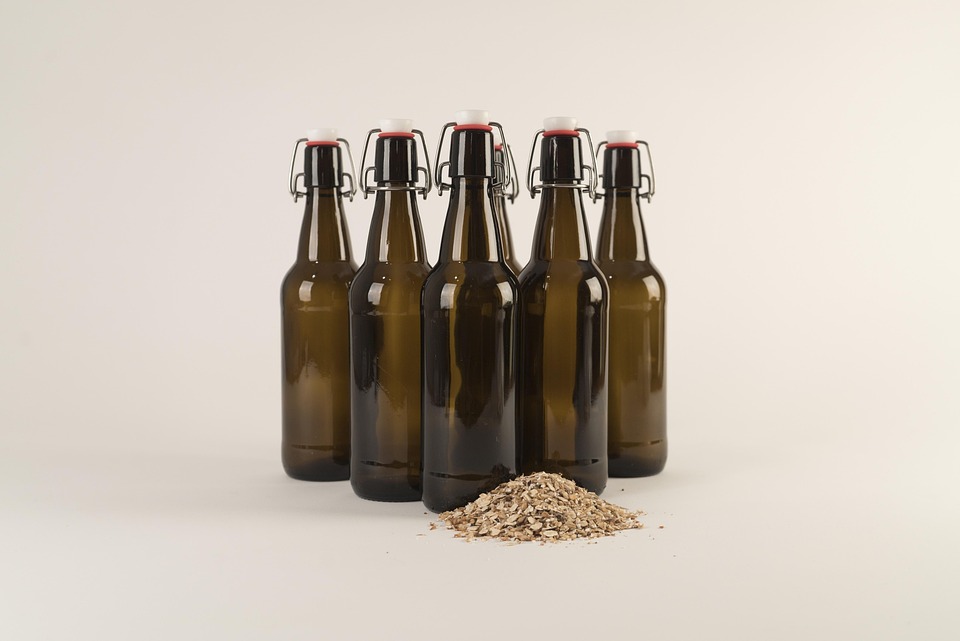
Barrel aging is a time-honored tradition in the world of spirits and wine production, dating back centuries. This process involves storing the liquid in wooden barrels for an extended period, allowing it to interact with the wood and develop unique flavors and aromas. The art of barrel aging is a delicate balance of science and craftsmanship, requiring skill and patience to achieve the desired results. In this article, we will explore the intricacies of barrel aging, from the types of barrels used to the effects they have on the final product.
Types of Barrels
There are several types of barrels commonly used in the aging process, each imparting its own distinct characteristics to the liquid. The most popular types of barrels include oak, which is known for its ability to enhance the flavors of the liquid and impart a smooth, mellow finish. Other types of barrels include cherry, chestnut, and acacia, each of which adds its own unique flavors and aromas to the final product.
Oak Barrels
Oak barrels are the most commonly used type of barrel in the aging process, due to their ability to enhance the flavors of the liquid and impart a smooth, mellow finish. Oak barrels are typically made from American or French oak, each of which imparts its own unique characteristics to the liquid. American oak tends to impart flavors of vanilla, caramel, and spice, while French oak adds notes of toast, smoke, and earthiness.
Cherry Barrels
Cherry barrels are less commonly used in the aging process, but they can add a unique sweetness and fruitiness to the liquid. Cherry barrels are typically made from American cherry wood, which imparts flavors of cherry, almond, and spice to the final product.
Chestnut Barrels
Chestnut barrels are another less common type of barrel used in the aging process, but they can add a nutty, earthy flavor to the liquid. Chestnut barrels are typically made from European chestnut wood, which imparts flavors of chestnut, hazelnut, and earthiness to the final product.
Effects of Barrel Aging
Barrel aging has a profound impact on the liquid, transforming it from a simple spirit or wine into a complex, layered masterpiece. The interaction between the liquid and the wood creates a chemical reaction that imparts flavors and aromas to the final product. Some of the effects of barrel aging include:
Flavor Development
Barrel aging enhances the flavors of the liquid, adding depth and complexity to the final product. The wood imparts flavors such as vanilla, caramel, spice, and toast, creating a rich and nuanced taste profile.
Aroma Enhancement
In addition to enhancing the flavors of the liquid, barrel aging also enhances its aromas. The wood imparts aromas of oak, smoke, earthiness, and fruit, creating a tantalizing bouquet that entices the senses.
Color Change
Barrel aging can also affect the color of the liquid, giving it a deeper, richer hue. The wood extracts compounds from the liquid that contribute to its color, resulting in a visually appealing final product.
Crafting Complexity and Depth
The art of barrel aging is a meticulous process that requires skill and patience to achieve the desired results. Craftsmen must carefully select the type of barrel, monitor the aging process, and taste the liquid regularly to ensure it reaches its full potential. By crafting complexity and depth through barrel aging, producers can create unique and unforgettable spirits and wines that captivate the palate.
Enhancing Flavor Profiles
Barrel aging enhances the flavor profiles of spirits and wines, adding layers of complexity and depth to the final product. The wood imparts flavors such as vanilla, caramel, spice, and toast, creating a harmonious blend of tastes that linger on the palate.
Balancing Tannins and Acidity
Barrel aging also helps to balance the tannins and acidity of the liquid, creating a smooth and well-rounded mouthfeel. The wood interacts with the liquid, softening harsh tannins and brightening acidity, resulting in a more balanced and enjoyable drinking experience.
Creating Unique Aromas
In addition to enhancing flavors, barrel aging also creates unique aromas that elevate the drinking experience. The wood imparts aromas of oak, smoke, earthiness, and fruit, adding complexity and depth to the bouquet of the liquid.
Common Questions About Barrel Aging
As consumers become more interested in the art of barrel aging, they may have questions about the process and its effects on the final product. Here are some common questions about barrel aging, along with detailed answers to help demystify this intricate process.
How long should a liquid be aged in a barrel?
The length of time a liquid should be aged in a barrel depends on the type of liquid and the desired flavor profile. Spirits such as whiskey and rum are typically aged for several years to develop complex flavors, while wines may be aged for a shorter period to preserve their freshness.
What type of wood is best for barrel aging?
The best type of wood for barrel aging depends on the desired flavor profile of the final product. Oak is the most commonly used type of wood, due to its ability to enhance flavors and aromas. Other types of wood, such as cherry and chestnut, can also add unique characteristics to the liquid.
Can barrel aging improve the quality of a liquid?
Barrel aging can certainly improve the quality of a liquid, by adding complexity and depth to the final product. The interaction between the liquid and the wood creates unique flavors and aromas that elevate the drinking experience, making barrel-aged spirits and wines highly sought after by connoisseurs.
Conclusion
The art of barrel aging is a time-honored tradition that adds complexity and depth to spirits and wines, creating unique and unforgettable drinking experiences. By carefully selecting the type of barrel, monitoring the aging process, and tasting the liquid regularly, craftsmen can craft masterpieces that captivate the senses. Whether you’re a seasoned connoisseur or a curious novice, barrel-aged spirits and wines offer a world of flavors and aromas to explore. So raise a glass to the art of barrel aging, and savor the rich and nuanced tastes that only time and wood can create. Cheers!